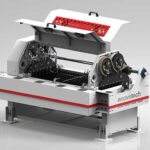
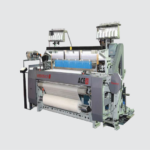
A bobbin winder machine takes yarn from large cones and fills small bobbins evenly for use in looms and knitting machines. This equipment plays a key role in textile workflows, ensuring smooth shuttle runs and fewer yarn breaks.
Textile factories depend on these machines for steady production. Without proper bobbins, weaving slows down and fabric quality drops. A reliable bobbin winder handles high volumes, cuts waste, and fits right into busy mill schedules. Companies like Weavetech build tough models that last in real-world conditions.
Core Functions of Bobbin Winder Machines
Bobbin winders do more than wrap yarn. They control tension to avoid loose ends or snaps. Machines spot weak spots and stop automatically. Operators load yarn, set speeds, and collect full bobbins ready for the next step.
Key tasks include:
- Transferring yarn from supply packages to bobbins.
- Building even layers for tangle-free unwinding.
- Removing fluff or knots during the wind.
- Matching bobbin size to loom needs.
Main Parts Explained
Every component works in sync for top results. Understanding these helps operators run and fix issues fast.
- Yarn Creel: Holds supply cones and feeds yarn smoothly.
- Tension Control: Keeps pulling steady, no matter the yarn thickness.
- Traverse Guide: Moves side to side for neat layering.
- Drive Drum: Spins the bobbin at set speeds.
- Sensors: Detect breaks or faults and halt the process.
- Counter: Tracks yardage to fill bobbins just right.
Modern bobbin winders from Weavetech pack these parts into compact, easy-to-use units. Their designs cut setup time and boost daily output.
Types Available Today
Not all bobbins suit every job. Textile pros pick based on yarn type and end use.
Types of bobbin winder machines:
- Manual Winders: Low-cost for small shops; hand-fed but slow.
- Semi-Auto Models: Push-button start; good for medium runs.
- Fully Automatic: Load, run, unload; handles 100+ bobbins per cycle.
- Precision Winders: For fine yarns; builds dense, flawless bobbins.
- Soft Winders: Loose fill for dyeing before weaving.
Weavetech offers automatic bobbin winders that switch between types fast. This flexibility helps mills handle cotton, synthetics, or blends without downtime.
Step-by-Step Operation Guide
Running a bobbin winder takes little training but sharp eyes.
- Load empty bobbins onto spindles.
- Thread yarn through tensioners and guides.
- Set speed and stop count on the panel.
- Start the machine; watch for even build-up.
- Check the first bobbin for density and faults.
- Remove full bobbins and repeat.
The process runs at 800-1500 metres per minute. Habits like daily cleaning keep speeds high. Paragraph breaks here let you scan fast: always test yarn tension before full runs to spot setup flaws early.
Why Textile Mills Need Bobbin Winders
These machines lift the whole production chain. Even bobbins mean looms run longer without stops. Factories see 20-30% less waste on yarn breaks. Labour drops as one worker oversees many stations.
Other gains:
- Consistent bobbin weight for uniform fabric.
- Less fluff buildup in shuttles.
- Faster changeovers between yarn lots.
- Lower energy use in newer models.
Weavetech bobbin winders stand out with built-in quality checks. Mills report steady output even on 24-hour shifts. Visit weavetech for specs that match Indian textile demands.
Common Problems and Fixes
Issues pop up, but smart fixes keep lines moving.
Problem | Cause | Quick Fix |
Uneven winding | Loose tension | Adjust discs and test |
Yarn breaks | Dusty guides | Clean and oil parts |
Slow speed | Worn belts | Replace and align |
Overfilled bobbins | Fault counter | Recalibrate sensor |
Daily logs track patterns. Therefore, the textile industry has to train teams on these steps to cut repair calls. Weavetech provides manuals and local service for fast support.
Maintenance Best Practices
Long life comes from steady care. Skipping these maintenance habits can lead to rise in cost.
Routine checks:
- Wipe guides and tensioners after each shift.
- Inspect belts weekly; swap if cracked.
- Lube bearings monthly with the right oil.
- Run calibration tests every two weeks.
- Full service yearly by pros.
Owners praise Weavetech for simple upkeep. Parts arrive quickly from Gujarat hubs, minimising idle time.
Weavetech: Your Partner in Bobbin Winding
Weavetech leads with bobbin winder machines tuned for textile growth. Built tough for high humidity and dust, they deliver precision at scale. Options range from entry-level to fully automated lines. Strong frames and quiet runs that suit any factory floor. Check their range at weavetech and see how they deliver precision in winding.
Frequently Asked Questions
1. What makes a bobbin winder different from a regular winder?
Bobbin winders focus on small, shuttle-ready packages, while others build large cones. They prioritise tight, even fill for weaving speed.
2. How fast do these machines run?
Speeds hit 1200 metres per minute for most yarns, scaling down for fine counts.
3. Can bobbin winders handle synthetic yarns?
Yes, adjustable tension suits cotton, polyester, or blends without slippage.
4. Why pick Weavetech for bobbin winders?
Durable builds, easy service and custom fits give unmatched value for textile pros.